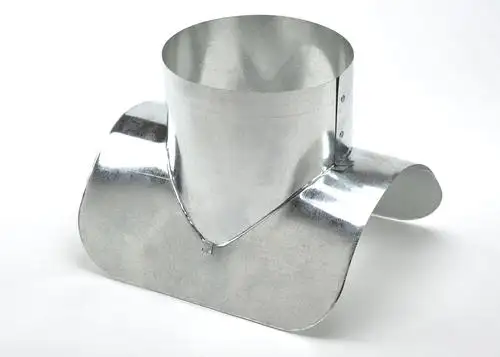
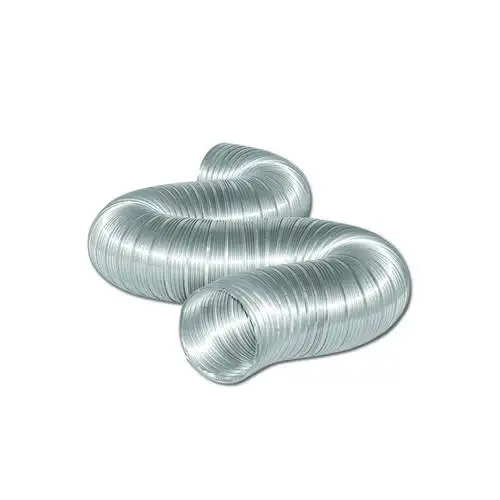
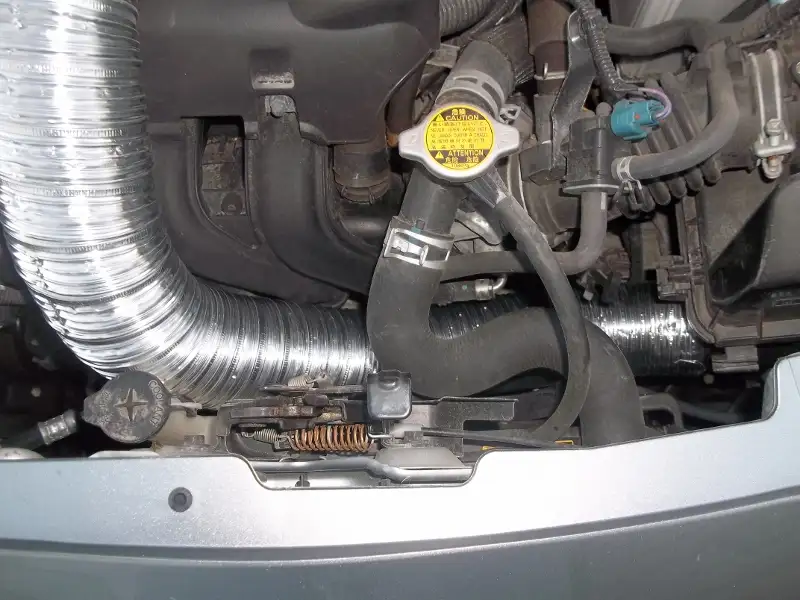
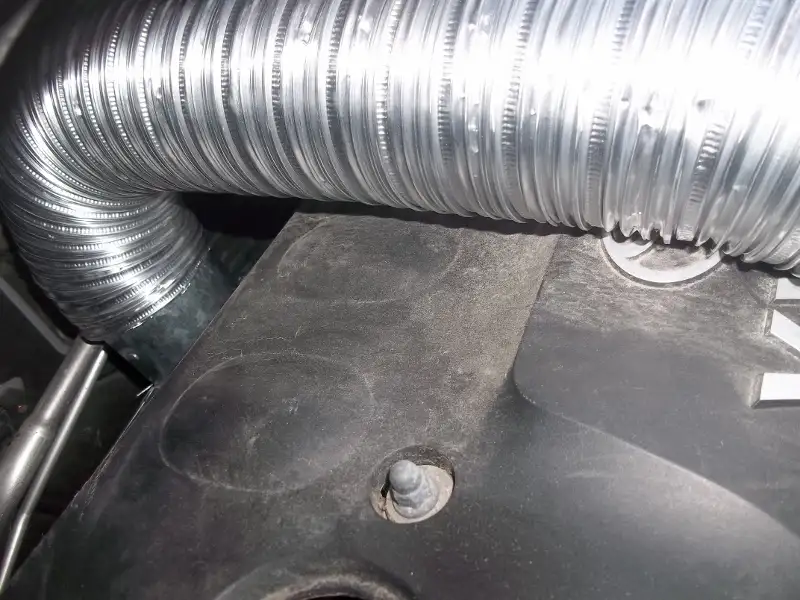
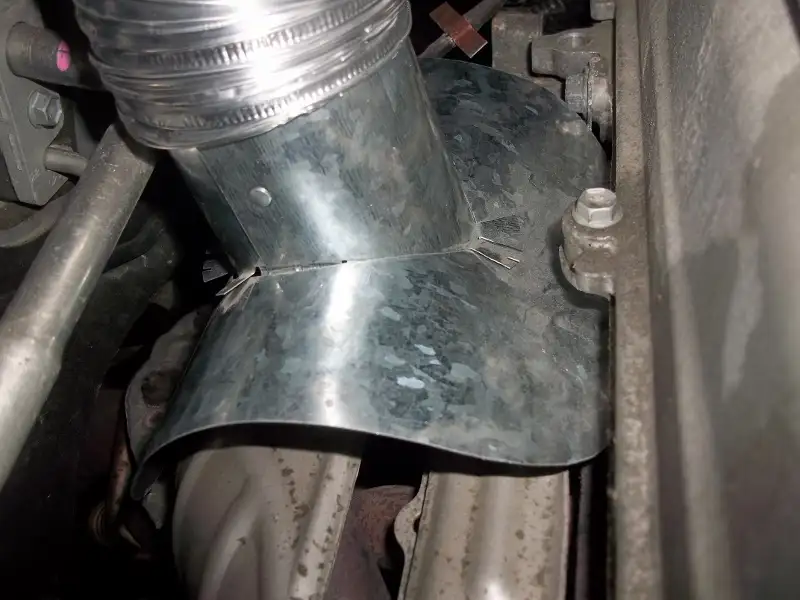
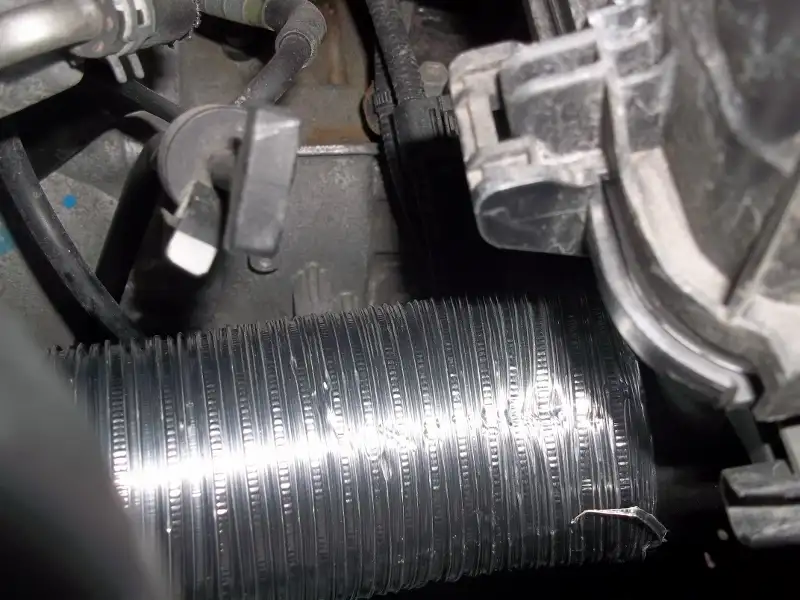
ex-x-fireOriginal postSheboygan Falls, Wi. · Nov 19, 2017#1I did a warm air intake today, the snorkel on the air cleaner housing pops off and leaves you with a section of 3" tubing, so you can slide on the duct right there. I ran it over the valve cover to a piece called a saddle vent. I wedged this onto the exhaust manifold. I don't think I'll need to bolt it down as its fits pretty good.
Replies 19
ex-x-fireThread starterSheboygan Falls, Wi. · Nov 19, 2017#2NYC-SENYC · Nov 19, 2017#3And why?
tmontagueCaledonia Ont. · Nov 19, 2017#4This post goes well with the muffler bearing and blinker fluid videos on line. I seriously don't know if you're just screwing with us or not...
Jeanseb29Gatineau (Ottawa), Canada · Nov 19, 2017#5WtfPicture lost · uploads.tapatalk-cdn.com
Sent from my SM-N910W8 using Tapatalk
ex-x-fireThread starterSheboygan Falls, Wi. · Nov 19, 2017#6I don't know about you guys, I see a pretty big change in fuel economy during the winter. I know some of it from the fuel additives, but most of it is from the cold air. While its great for power it really impacts fuel mileage. Its something I won't use in the summer.
https://en.wikipedia.org/wiki/Warm_air_intakeWarm air should effectively reduce fuel consumption, but too hot will cause detention and cause the timing to pull back, greatly reducing power and fuel economy.
tmontagueCaledonia Ont. · Nov 20, 2017#8The theory is the ecu reduces fuel when the intake air is warmer as the air is less dense so it needs less fuel for combustion.
Although most of that is true all this does is reduce engine power. So there is zero increase in efficiency you just effectively reduce power. This makes you need to give more throttle to do the same work which negates any benefit.
In such an efficient engine as the 1nz you just need do have a lighter right foot and you'll get excellent mileage. You are not limited in mileage with this car due to engine size and fuel demand, you are limited simply by the driver themself and how they choose to drive.
thebarberGrand Rapids, MI · Nov 20, 2017#9**duct
malibuguyWestminster, MD · Nov 20, 2017#10I would do nearly the exact identical thing during winter time for mpgs.
The results were typically 3-4mpg gains from this mod. Back when i liked getting over 50mpg average for a tank.
Now I dont care anymore and dont hypermile like I used too
komichalCZ · Nov 21, 2017#11Oh yes, thousands of engine specialists on highly paid development workplaces are daily introducing complex, bizzar solutions to improve the mpg thus reduce the emissions... and nobody came up with an idea of heat-hose. They are all nothing but a bunch of losers! :D
malibuguyWestminster, MD · Nov 21, 2017#12 Originally Posted by
komichal ↑ Oh yes, thousands of engine specialists on highly paid development workplaces are daily introducing complex, bizzar solutions to improve the mpg thus reduce the emissions... and nobody came up with an idea of heat-hose. They are all nothing but a bunch of losers! :D
The ignorance is strong with this one
Originally Posted by
malibuguy ↑ The ignorance is strong with this one
Clearly they've never seen a carborated engine with a factory hot air pipe that draws off the heat shield.
Originally Posted by
Bluevitz-rs ↑ Clearly they've never seen a carborated engine with a factory hot air pipe that draws off the heat shield.
I used to have such a car. But we are talking about Yaris and "a bit" different engines these days. 😉
I scanned the car last night, the air temp was 27*f, after starting and running for a minute the IAT was reading 60*f. Going down the road it bounced between 45 and 60*f before settling at 53*f. At stops it would go up 70-80*f. If anything it'll save gas when idling in snowy days.
MickmanToronto · Nov 23, 2017#16I just lol'd
tmontagueCaledonia Ont. · Nov 23, 2017#17 Originally Posted by
ex-x-fire ↑ I scanned the car last night, the air temp was 27*f, after starting and running for a minute the IAT was reading 60*f. Going down the road it bounced between 45 and 60*f before settling at 53*f. At stops it would go up 70-80*f. If anything it'll save gas when idling in snowy days.
it will likely help at really cold starts, a lot of fuel around here is used on the crazy cold mornings
It will not help anyhow. Cold start means that the exhaust pipes are also cold, so is the air. Before it heats up significantly to get into the pipe and all the way through the frozen airbox then the engine runs already so hot that the air temperature is insignificant.
tmontagueCaledonia Ont. · Nov 24, 2017#19Put your hand on the exhaust manifold and get someone to start the car. You'll see how quickly it heats up. Also use an obd II scanner and check IAT's and you'll be able to quantify the difference.
Is it significant enough to cause a large reduction in fuel, not likely but there will be a measurable difference in intake air temps
ex-x-fireThread starterSheboygan Falls, Wi. · Nov 26, 2017#20I tightened down the flange at the manifold better, I saw that my IAT was up in the 80s now, the weather was in the 40s.
 Yarisworld